
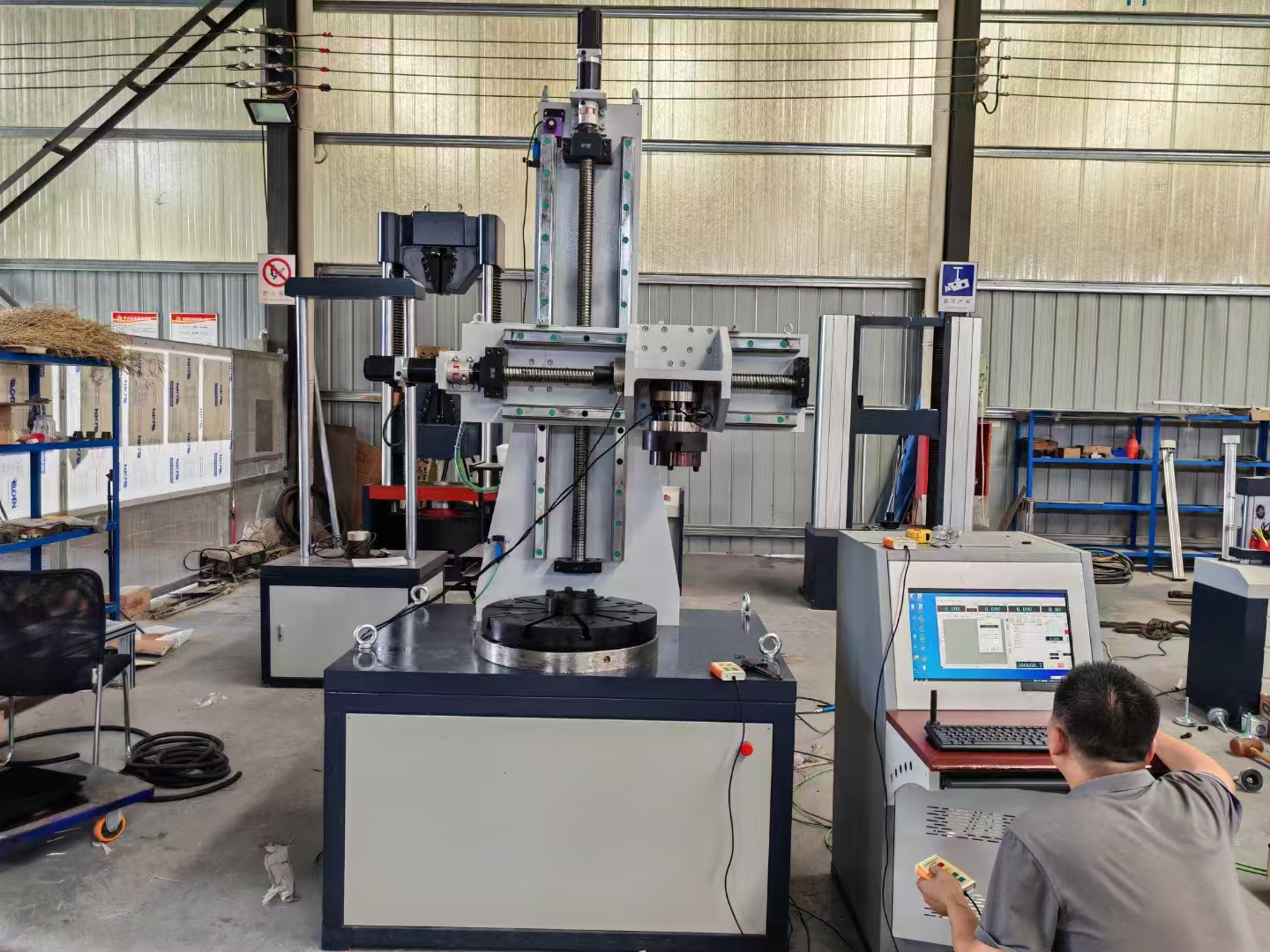
Have you often thought, “How much should I spend on a tensile testing machine?” There are several factors to consider when looking for the ideal balance between quality and budget. Tensile testing machines with standard features usually cost between $2,000 and $5,000. Of course, the exact price depends on whether you want basic features or the extra experience brought by high-end specifications.
The price of tensile testing equipment depends on its capacity, features, brand, and country of manufacture. In this guide, we will help you determine how much you should spend on a universal tensile testing machine that meets your needs and fits your budget.
What Is the Price of the Latest Tensile Testing Machine in 2025?
The following price list provides you with the latest price and cost statistics of tensile testing machines, helping you better understand the price range of tensile testing machines. If you need a detailed quote, please contact us!
Price comparison of tensile testing machines of different powers
| Capacity (kN) | Estimated Price Range (USD) | Description |
|---|---|---|
| 50 kN | $3,000 – $6,000 | Suitable for lightweight material testing; commonly used in laboratories and small industries. |
| 100 kN | $6,000 – $12,000 | Ideal for medium-strength materials; widely used in research and quality control applications. |
| 150 kN | $12,000 – $20,000 | Designed for higher-capacity testing, suitable for heavy-duty materials like metals or alloys. |
| 200 kN | $20,000 – $30,000 | Suitable for industrial-scale testing of high-strength materials. |
| 300 kN | $30,000 – $50,000 | Used for advanced material testing; common in heavy manufacturing industries. |
| 600 kN | $50,000 – $80,000 | High-capacity testing machine for structural and engineering applications. |
| 1000 kN | $80,000 – $150,000 | Ultra-high-capacity machine for testing construction materials and heavy industrial components. |
Factors Affecting the Cost of Tensile Testing Machine
The price of tensile testing machines is influenced by several factors:
- Capacity and Load Range: Machines with higher load capacities (e.g., 1000 kN) are more expensive due to their advanced components and durability.
- Brand and Quality: Renowned brands like Instron and Zwick Roell command higher prices for their superior technology, reliability, and after-sales support.
- Features and Automation: Advanced features like digital controls, software integration, and automated operations increase costs.
- Compliance with Standards: Machines adhering to global standards like ISO or ASTM often cost more.
- Condition (New vs. Used): New machines are pricier, while refurbished or used options can provide cost savings but may require additional maintenance.
- Accessories and Customization: Specialized grips, extensometers, or custom software can significantly raise the overall price.
- Supplier Location: Machines manufactured in countries like China tend to be more affordable due to lower production costs.
What is the Trend in the Price of Tensile Machines in the Global Market?
The global market for tensile testing machines has experienced notable trends in pricing over recent years. As industries increasingly prioritize quality control and material testing, the demand for tensile test equipment has surged. This demand, coupled with advancements in technology, has influenced the tensile testing machine price significantly.
Currently, the trend indicates a gradual increase in tensile machine price, driven by innovations such as automation and enhanced data analysis capabilities. As manufacturers invest in more sophisticated features, the tensile strength machine price is expected to rise. However, this increase is often offset by the availability of competitive models from various manufacturers, which keeps the tensile tester price relatively stable for entry-level options.
In terms of tensile strength testing machine price, mid-range machines are seeing a steady demand due to their balance of functionality and cost-effectiveness. For high-end machines, while the tensile strength tester price may reflect significant investment, the return on investment is justified by improved accuracy and efficiency in testing.
Moreover, as the market expands globally, variations in tensile testing machine cost across different regions can affect overall pricing strategies. Suppliers are likely to adjust their tensile test equipment price to remain competitive while meeting local market demands.
In summary, while the trend suggests an upward movement in tensile testing machine prices, market competition and technological advancements may provide opportunities for cost-effective solutions. Businesses should stay informed about these trends to make informed purchasing decisions.

