
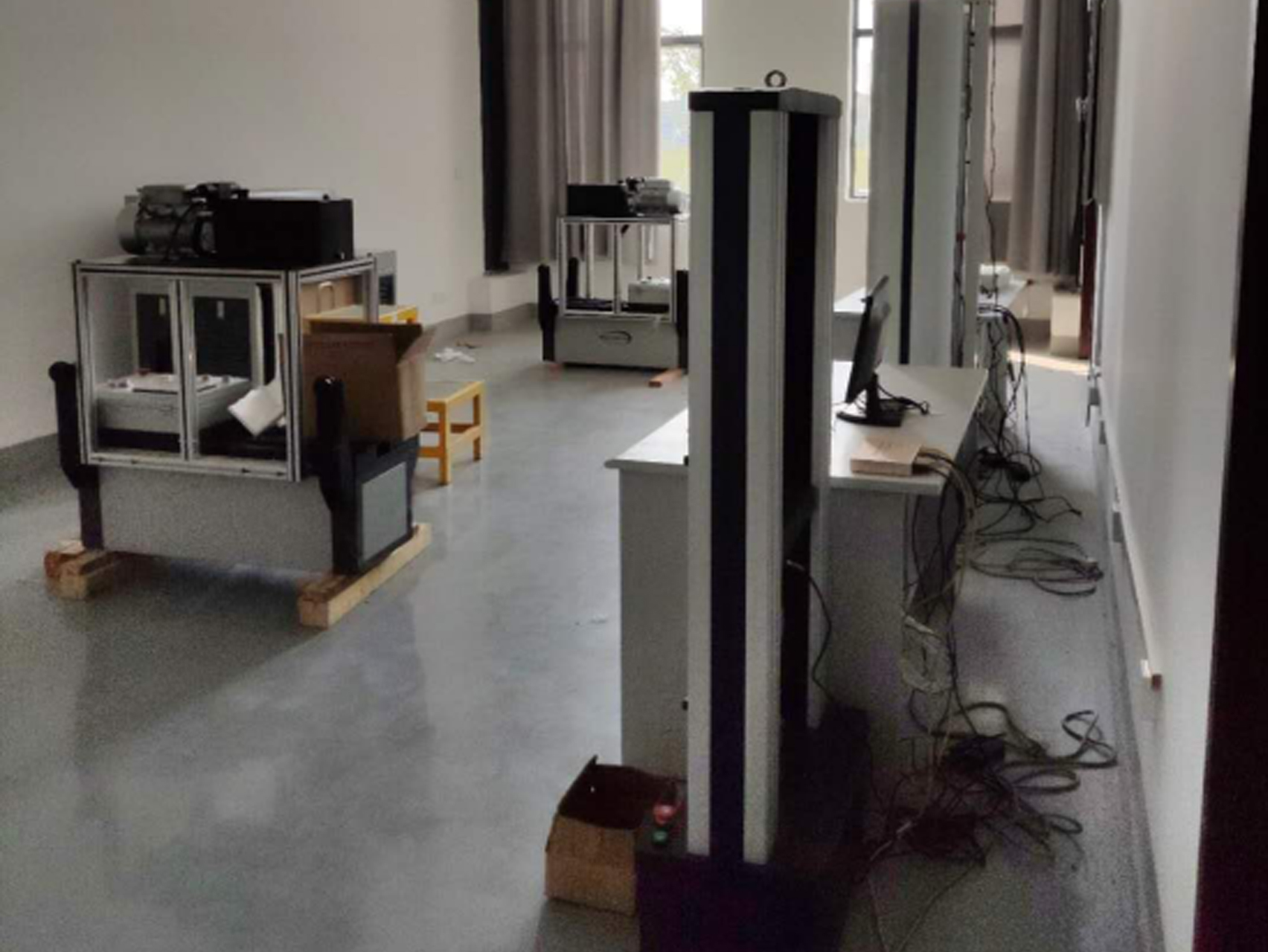
Universal Testing Machines: Principles, Types, and Applications in Materials Science
Universal Testing Machines (UTMs), also referred to as tensile testing machines, represent fundamental instruments in materials engineering and mechanical testing. These devices evaluate the mechanical[…]
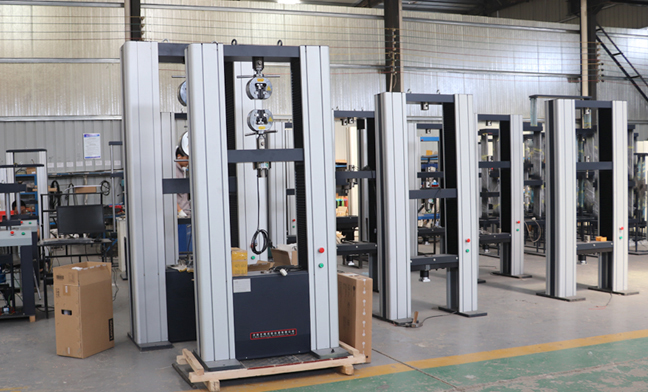
Understanding ASTM F88 Seal Strength Testing with a Universal Testing Machine
In the field of flexible packaging, maintaining reliable seals is essential for protecting contents in medical, food, pharmaceutical, and consumer products. ASTM F88, the Standard[…]

Characterization of High-Fluidity Thermoplastics Using Melt Flow Rate Testing per ASTM D1238 on Universal Testing Systems
Melt flow rate (MFR) testing serves as a cornerstone in the rheological characterization of thermoplastic polymers. ASTM D1238, the Standard Test Method for Melt Flow[…]
ASTM D5587 Trapezoid Procedure: Evaluating Tear Propagation Resistance in Textile Fabrics with Universal Testing Machines
ASTM D5587 outlines a standardized trapezoid-based approach for quantifying the tearing strength of textile fabrics. This method emphasizes the measurement of force required to propagate[…]
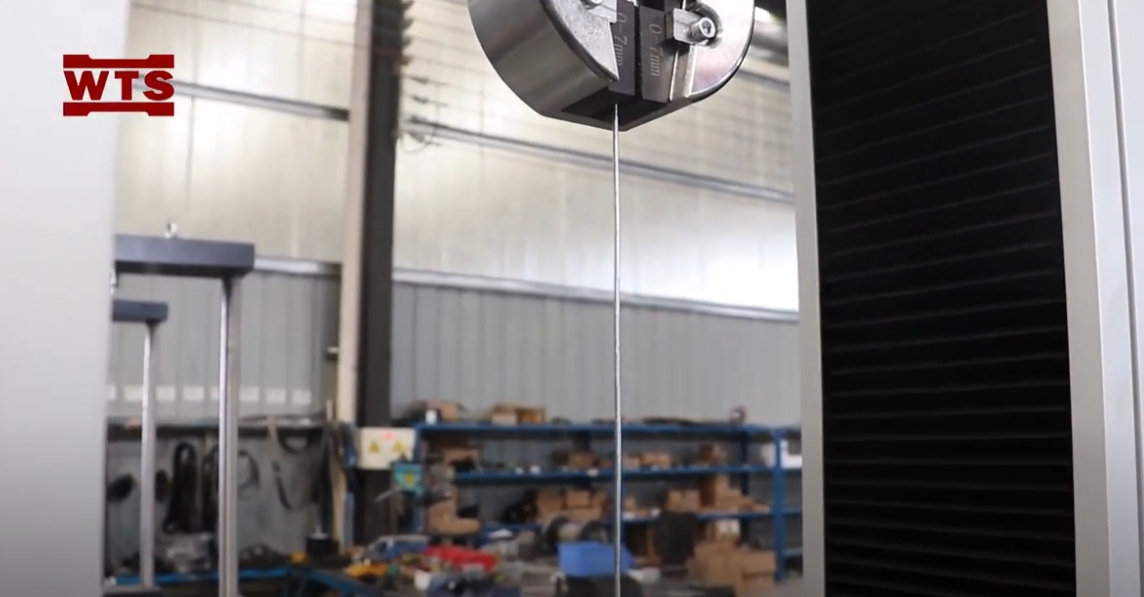
The Definitive Guide to ASTM D624: Tear Strength Testing of Vulcanized Rubber and Thermoplastic Elastomers Using Universal Testing Machines
ASTM D624 stands as a fundamental standard test method for determining the tear strength of vulcanized rubber and thermoplastic elastomers. In materials science and engineering,[…]
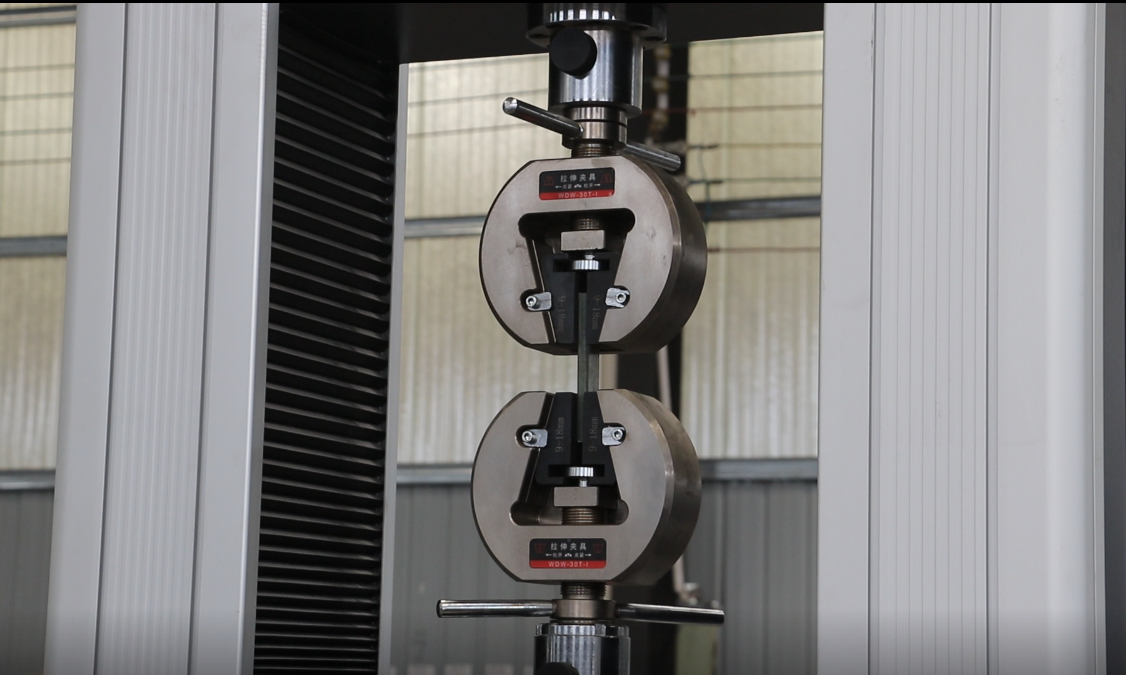
ASTM D5034 Grab Tensile Testing of Textile Fabrics Using Universal Testing Machines: In-Depth Methodology, Mechanical Interpretation, and Testing Considerations
The tensile performance of textile materials is a fundamental parameter governing their behavior in both structural and functional applications. Unlike rigid engineering materials, textiles exhibit[…]
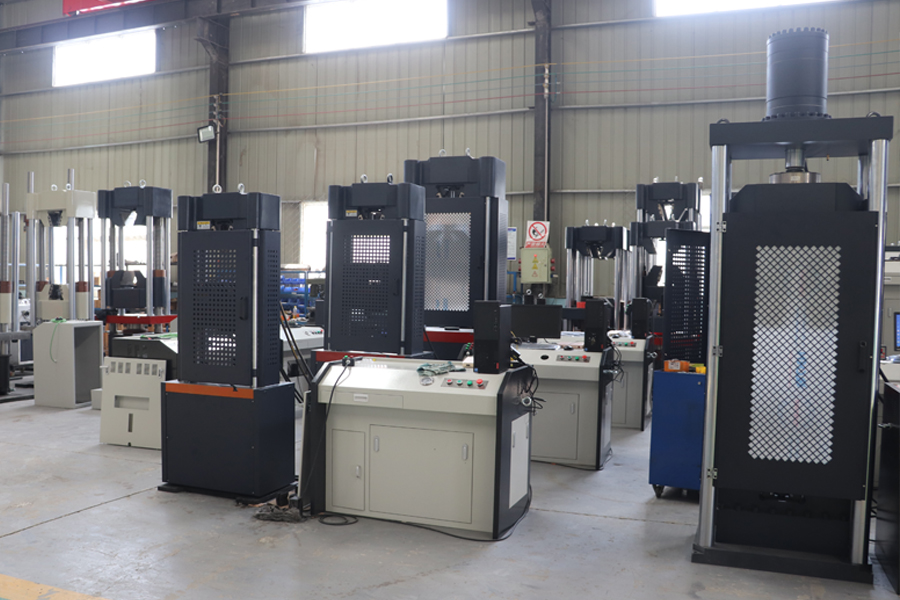
Universal Testing Machines in Geotextile Characterization: Focus on ASTM D4632 Grab Tensile Testing
Universal testing machines (UTMs) are fundamental instruments in materials engineering laboratories for evaluating the mechanical behavior of diverse materials under tension, compression, flexure, and other[…]
ASTM D3330 Standard Test Method for Peel Adhesion of Pressure-Sensitive Tape: Application with Universal Testing Machines
Here is a completely revised, brand-neutral, pure academic English article optimized for Google SEO. It focuses on the ASTM D3330 standard, peel adhesion of pressure-sensitive[…]
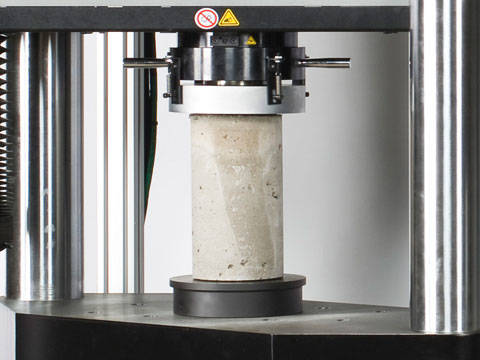
ASTM C39: Standard Test Method for Compressive Strength of Cylindrical Concrete Specimens Using Universal Testing Machines
Concrete remains the most widely used construction material globally, and its compressive strength is the single most important mechanical property for structural design, quality control,[…]
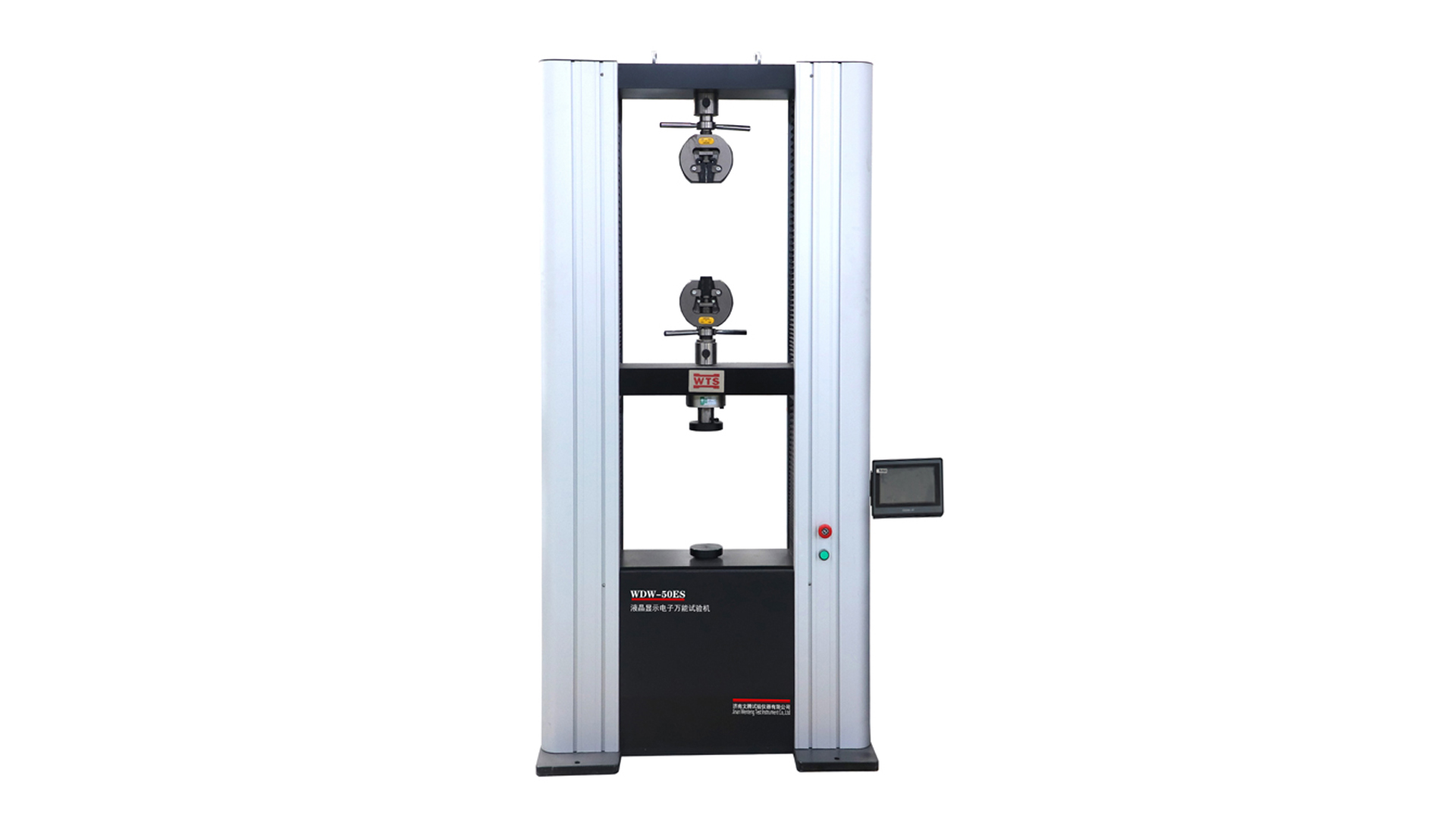
ASTM C109: Compressive Strength Testing of Hydraulic Cement Mortars Using Cube Specimens and Universal Testing Machines
The compressive strength of hydraulic cement mortars serves as a fundamental indicator of material quality, hydration kinetics, and long-term durability in civil engineering applications. ASTM[…]

Jinan Wenteng Testing Instrument Co., Ltd., located in the beautiful spring city called Jinan, we are a diversified enterprise that integrates design, development, production, sales, and after-sales service.
© 2026 wts-machinery.com. Created for free using WordPress and Kubio
