
In the world of materials science, understanding the mechanical properties of thin plastic films is crucial for a wide range of applications, from packaging to medical devices. One of the key standards that governs the testing of these materials is ASTM D882. This standard provides a comprehensive framework for tensile testing, helping manufacturers assess the strength, elasticity, and overall performance of their plastic films. In this article, we will explore the definition, scope, testing conditions, and procedures outlined in ASTM D882, providing valuable insights into its significance in the field of material testing.
1. Definition of ASTM D882
ASTM D882 is a standard developed by the American Society for Testing and Materials (ASTM) that specifies the procedures for determining the tensile properties of thin plastic films and sheeting. This standard provides essential guidelines for testing tensile strength, elongation, and modulus of elasticity, which are critical for assessing the performance and quality of materials used in various applications, such as packaging, medical devices, and consumer goods. By adhering to ASTM D882, manufacturers can ensure their products meet industry standards, enhancing safety and reliability.
2. Scope of ASTM D882
The scope of ASTM D882 covers a wide range of thin plastic films, including but not limited to polyethylene, polypropylene, polyester, and polyvinyl chloride (PVC). The standard applies to films with a thickness typically less than 0.25 mm (10 mils), allowing for the evaluation of their mechanical properties under controlled conditions. It is important to note that while ASTM D882 is primarily focused on thin films, the principles outlined may also be applicable to thicker materials with appropriate modifications. This standard is crucial for industries where film performance is essential, such as flexible packaging, where the integrity of the film can significantly affect the product’s shelf life and usability.
3. Tensile Test Conditions
Conducting tensile tests according to ASTM D882 requires specific environmental conditions to ensure accurate and reproducible results. The tests should be performed at a standard laboratory temperature of 23°C (73°F) and at 50% relative humidity, which is considered ideal for most plastic films. It is crucial to maintain consistent conditions throughout the testing process, as variations can lead to misleading results. Furthermore, the testing environment should be free from drafts and vibrations to prevent any external factors from influencing the test outcomes.
4. Tensile Test Equipment
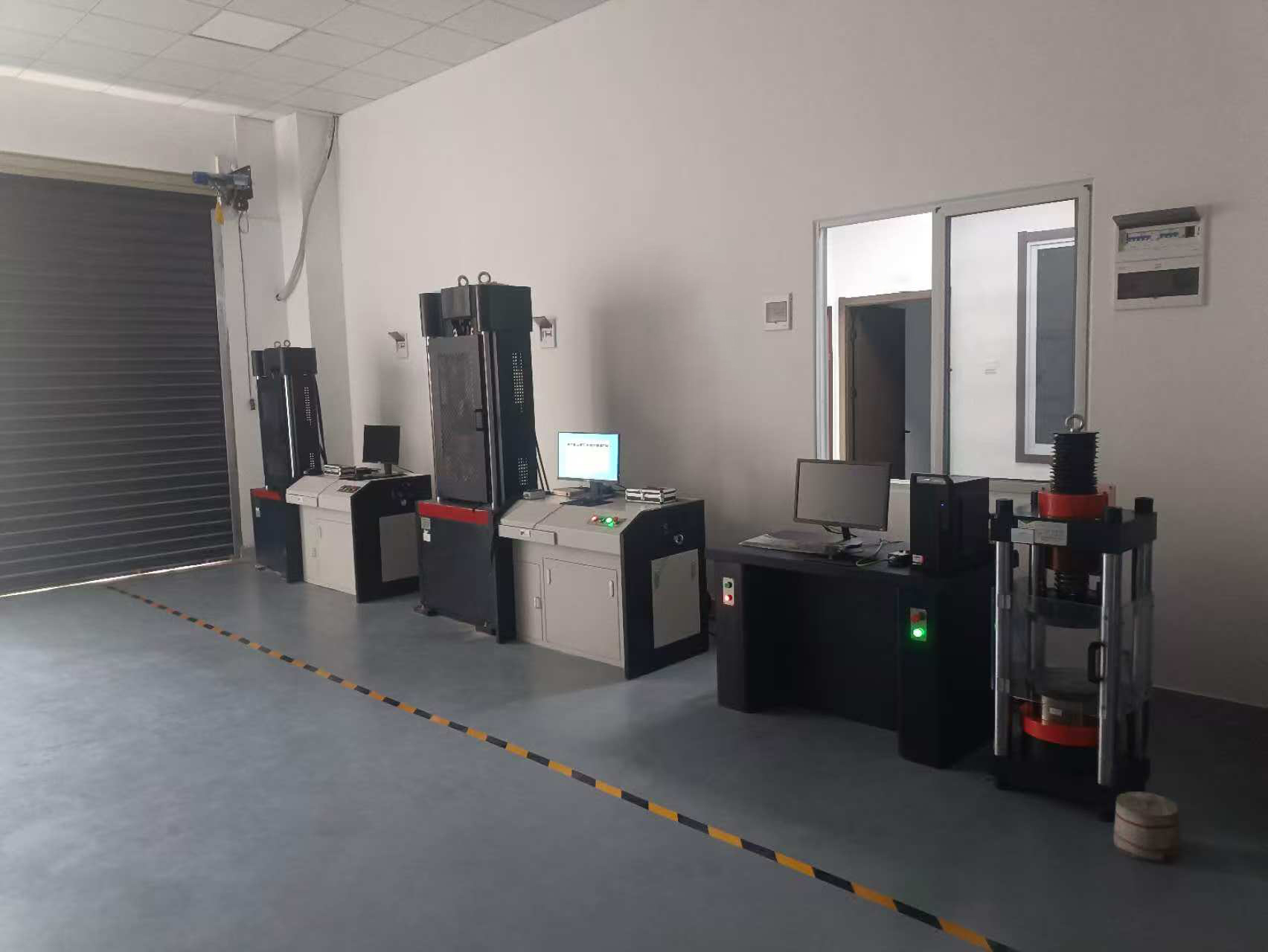
To perform tensile testing as per ASTM D882, specific equipment is necessary. The primary instrument is a universal testing machine (UTM) capable of applying a controlled load to the film samples. Key components of the testing setup include:
- Grips: These are essential for securely holding the film samples without causing any premature failure.
- Load Cells: High-precision load cells measure the force applied to the samples.
- Extensometers: These devices measure the elongation of the samples during testing, providing accurate data on how much the film stretches before breaking.
- Software: Testing machines often come with software for data acquisition and analysis, helping interpret the results efficiently.

