
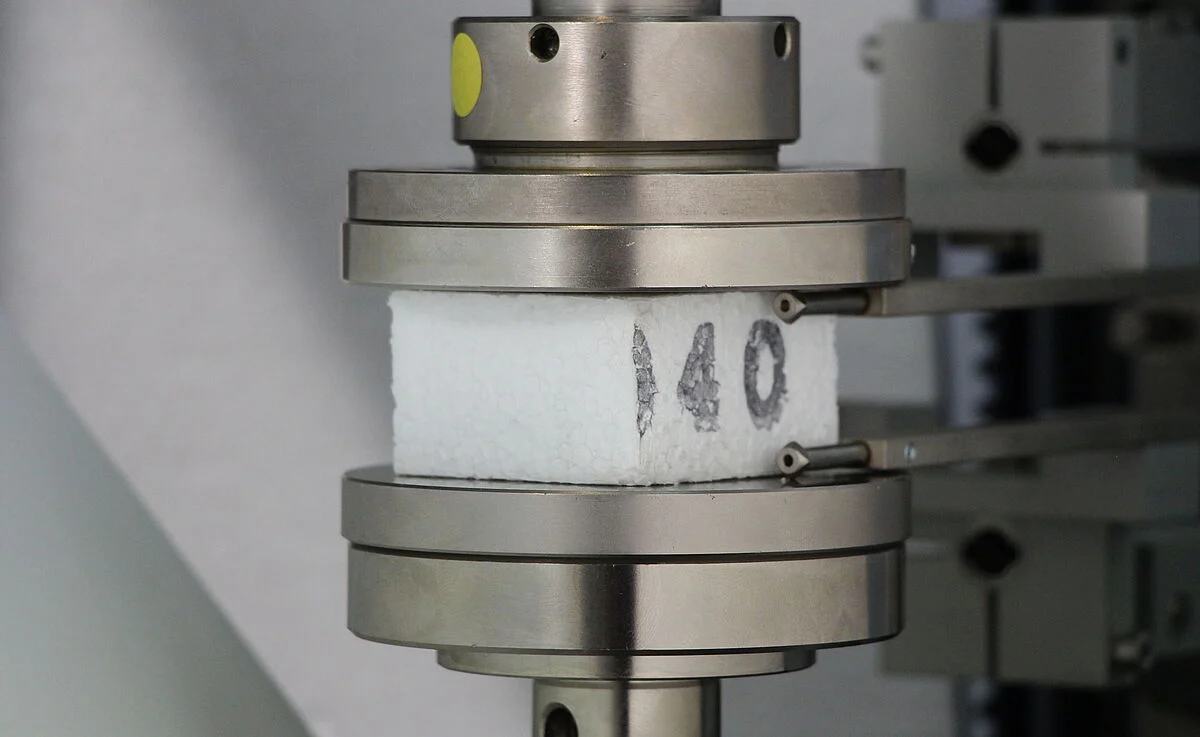
Dimension stone forms the backbone of many iconic buildings, from grand cathedrals to modern skyscrapers. Architects and engineers rely on its natural beauty and strength, but how do they know if a particular granite, marble, limestone, or sandstone can safely support heavy loads? This is where standardized testing becomes critical. The ASTM C170 test method provides a reliable, repeatable way to measure the compressive strength of dimension stone under realistic conditions.
Understanding ASTM C170 helps professionals select the right material for construction projects while ensuring long-term durability. Whether you’re a homeowner curious about natural stone countertops or a builder planning a load-bearing facade, this popular science overview explains the test in clear, accessible terms. We’ll cover the purpose, step-by-step process, calculations, and real-world applications—complete with a handy reference table.
What Is Dimension Stone and Why Does Compressive Strength Matter?
Dimension stone refers to natural rock quarried and cut to specific sizes for use in construction, cladding, flooring, and monuments. Popular types include granite (dense and durable), marble (elegant but softer), limestone (versatile and widely available), and sandstone (textured and weather-resistant). These stones look stunning, yet they face real stresses: the weight of entire structures, wind loads, and environmental moisture.
Compressive strength measures how much force a stone can withstand before it crushes. A high value means the material resists deformation under pressure—essential for columns, walls, and foundations. Without proper testing, a beautiful stone facade might crack or fail over time. ASTM C170 addresses this by providing a standardized benchmark that compares different stones fairly and simulates both dry indoor and wet outdoor environments.
The Purpose and Significance of ASTM C170
Developed by ASTM International, this test method focuses on sampling, specimen preparation, and determining compressive strength. Its primary goal is to highlight differences between stone varieties and allow consistent comparisons within the same type. Results guide decisions in building design, restoration projects, and material certification.
Testing under dry and wet conditions is especially valuable. Dry tests mimic protected interior use, while wet tests replicate rain-exposed exteriors. This dual approach reveals how moisture affects strength—an important factor since water can weaken certain stones by up to 20-30% in some cases. By following ASTM C170, engineers gain data that supports safe, code-compliant construction worldwide.
Scope of the Standard
ASTM C170 applies to all types of dimension stone used in construction. It outlines precise protocols for preparing samples, conditioning them, and applying compressive loads until failure. The method does not cover other properties like tensile strength or abrasion resistance; it focuses strictly on uniaxial compression. Results are typically reported in pounds per square inch (psi) or megapascals (MPa), making them easy to compare against building code requirements.
Conditioning Specimens: Dry vs. Wet Testing
Conditioning simulates real-world exposure. For dry tests, specimens go into an oven at 140 ± 4 °F (60 ± 2 °C) for at least 48 hours. Weights are checked at the 46th, 47th, and 48th hours to confirm constant mass; if weight continues dropping, drying extends until three consecutive hourly readings match. Specimens then cool in a desiccator to room temperature before testing.
For wet tests, specimens are fully immersed in water at 72 ± 4 °F (22 ± 2 °C) for 48 hours (sometimes up to 72 hours). They must be tested within five minutes of removal to preserve moisture content. This careful preparation ensures results reflect actual performance rather than laboratory artifacts.
Here’s a clear summary table of the conditioning requirements:
| Test Condition | Temperature | Duration | Key Steps | Purpose |
|---|---|---|---|---|
| Dry | 140 ± 4 °F (60 ± 2 °C) | Minimum 48 hours | Oven drying; verify constant weight over final 3 hours; cool in desiccator | Simulate protected interior use |
| Wet | 72 ± 4 °F (22 ± 2 °C) | 48–72 hours | Full water immersion; test within 5 minutes of removal | Simulate exterior rain exposure |
Calculating and Reporting Compressive Strength
The formula is straightforward: Compressive Strength = Maximum Load ÷ Cross-Sectional Area
If a 2-inch cube (area = 4 square inches) fails at 40,000 pounds, its strength equals 10,000 psi. Results are averaged across the five (or more) specimens, and standard deviation is calculated to show consistency. Reports include stone type, source location if known, specimen dimensions, rift orientation, conditioning method, individual strengths, average value, and any observations about failure mode. These detailed records allow direct comparison between suppliers or stone varieties.
Real-World Applications and Why the Results Matter
In practice, ASTM C170 data influences countless projects. High-strength granite (often exceeding 20,000 psi) suits heavy structural columns, while softer limestone (around 5,000–10,000 psi) works well for decorative cladding where loads are lighter. Wet-condition results are crucial for outdoor monuments or coastal buildings where rain is constant.
Consider historic restorations: engineers use these tests to match replacement stone to original material, preventing differential settling. Modern architects reference ASTM C170 values when specifying stone for earthquake-prone areas or high-rise facades. The standard also helps manufacturers certify products for international export, giving buyers confidence that the beautiful stone they choose won’t crumble under pressure.
One fascinating insight: compressive strength often correlates with stone density and mineral composition. Dense, interlocking crystals in granite deliver superior performance, whereas porous sandstone may require thicker sections or protective sealants. By understanding these differences through standardized testing, construction teams reduce waste, lower costs, and enhance safety.
Conclusion: Building with Confidence
ASTM C170 stands as the gold-standard method for evaluating dimension stone compressive strength. From precise specimen preparation and careful dry/wet conditioning to controlled loading and simple yet powerful calculations, every step ensures reliable, comparable data. Whether you’re designing a new landmark or restoring a heritage building, these test results help select stone that will endure for generations.
Next time you admire a stone facade or countertop, remember the science behind it. Standardized compressive strength testing isn’t just technical paperwork—it’s the invisible foundation that keeps our built environment strong, safe, and beautiful. By following ASTM C170 guidelines, the construction industry continues to honor the timeless appeal of natural stone while meeting the demands of modern engineering.

